

![]() |
Welcome to the
|
![]() |
![]() |
Modoc County Coordinator: Dan Matney (since 2012) If you are interested in helping or coordinating your |
Special thanks to the previous coordinators Bill Reynolds (1996-2004) |
||||||||||||||||
![]() |
![]() |
||||||||||||||||
Project Links:The CAGenWeb Project Queries:County Message Board (Ancestry.com) |
Neighboring Counties: Klamath County, OR (north) |
||||||||||||||||
Modoc County Links
Modoc County Cemeteries:
Modoc County Draft Registrations, WWI (1917-1918)
Modoc County Land & Tax Records
Modoc County Maps:
Modoc County Odds & Ends:
Modoc County Voter Registration Lists (Great Registers) (uploading soon)
The Modoc People (at Wikipedia)
|
|||||||||||||||||
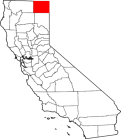
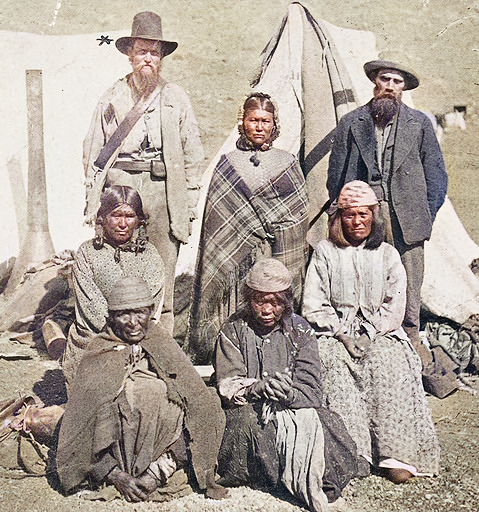
A Brief History of Modoc CountyPrior to the arrival of Europeans in the region, varying cultures of Native Americans inhabited the county for thousands of years. At the time of European encounter, the Modoc people lived in what is now northern California, near Lost River and Tule Lake. The county was named after them. The Achumawi (or Pit River Indians) and the Paiute also lived in the area. To the north were the Klamath in present-day Oregon. The first European explorers to visit Modoc County were the American John C. Frémont and his traveling party (including Kit Carson) in 1846, who had departed from Sutter's Fort near the confluence of the American and Sacramento Rivers. The northern boundary of California, and eventually Modoc County, had been established as the 42nd parallel since the time of Mexican possession. In the absence of a reliable survey of the 120th meridian, the eastern boundary of northern California was a subject of contention before Modoc County formed. The Territory of Utah requested jurisdiction to the summit of the Sierra Nevada. California denied the request. Settlement of the county began in earnest in the 1870s, with the timber, gold, agriculture, and railroad industries bringing most of the settlers into the area. The county was a crossroads for the Lassen Applegate Trail, which brought settlers north from Nevada to the Oregon Trail and south to trails leading into California's central valley. Early settlers included the Dorris, Belli, Essex, Scherer, Trumbo, Flournoy, Polander, Rice and Campbell families. Modoc County was formed when Governor Newton Booth signed an Act of the California Legislature on February 17, 1874, after residents of the Surprise Valleyregion lobbied for the creation of a new county from eastern Siskiyou County land. The county residents considered naming the newly formed county after General Edward Canby, who had been killed the year before at peace talks in an ambush by Modoc. The idea of naming the county "Summit" was also considered, but the populace eventually settled on "Modoc". The Dorris Bridge post office opened in 1871. The town was renamed Dorrisville in 1874. Due to its central location, Dorrisville became the county seat when Modoc County formed that year, although both Adin and Cedarville were larger towns. In 1876, it was renamed Alturas, which means "The Heights" in Spanish. The census of 1880 showed a population of 148. Settlement continued over the next two decades, until the city was incorporated officially on September 16, 1901. Alturas is the county's only incorporated city. Source: Wikipedia
|
|||||||||||||||||